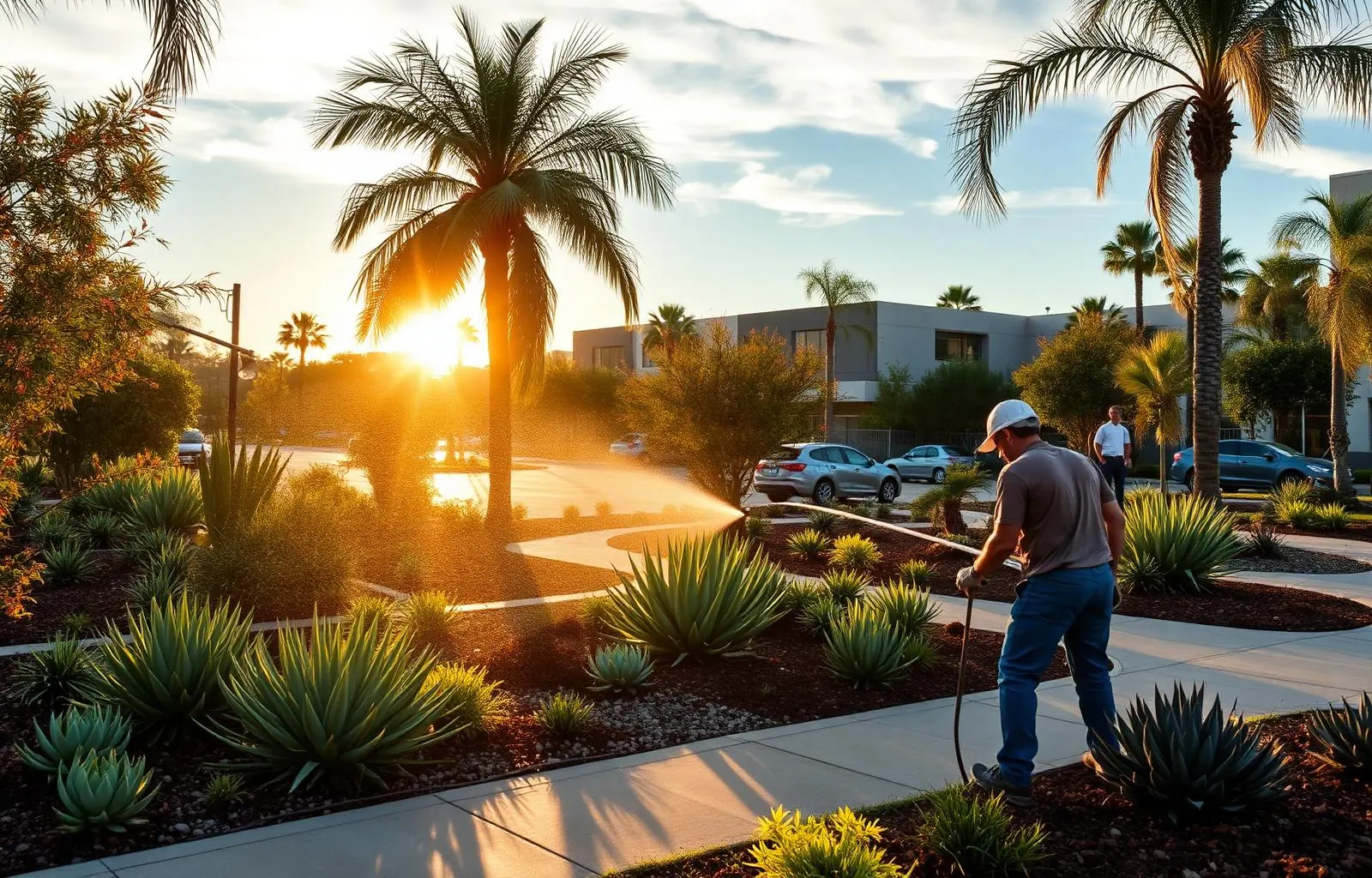
California's AB 1572, signed in 2023, phases out the use of potable water to irrigate \"non-functional turf\" at commercial, institutional, and HOA properties. The deadlines are closer than most owners realize, and the conversion timeline — design, MWD rebate process, install — is longer than most owners realize. Here's the plain-English breakdown of what AB 1572 requires and how to plan for it.
The compliance dates that actually matter
What \"non-functional turf\" actually means
AB 1572 defines non-functional turf as turf that is not regularly used for recreation, civic events, gathering, or pet relief. In practice, that means:
- Subject to AB 1572 (must convert): ornamental front-of-building lawn strips, median turf, parkway strips, decorative turf around signage, aesthetic lawn at building entrances
- Exempt (can keep with potable): sports fields, school recreation lawns, civic gathering greens, dog-park turf, cemetery active-use turf
For most commercial property, the front-and-side aesthetic turf is exactly what's targeted. The back-of-building employee picnic lawn likely qualifies as functional and is exempt.
Conversion options ranked by cost and visual impact
Native plant + mulch ($4–$8/sf)
California-native species (manzanita, ceanothus, salvia, deer grass) over a fresh layer of medium-grade mulch. Lowest cost, highest sustainability scoring, but takes 18–24 months to fill in visually. Best for institutional and back-of-house.
California-friendly garden ($8–$15/sf)
Full design with low-water Mediterranean plants (lavender, rosemary, kangaroo paw, fountain grass), drip irrigation, accent boulders, and decorative mulch. Looks intentional from day one. Best for Class-A, hospitality, and HOA front-entry conversions.
Decomposed granite or paver hardscape ($12–$22/sf)
DG, flagstone, or paver replacement. Highest cost per square foot but zero ongoing irrigation. Best for high-traffic areas (entry plazas, pickup loops) and small ornamental islands where plant survival is uncertain.
Recycled-water irrigation
If your property has access to a purple-pipe recycled main (most of OC, parts of LA, much of San Diego), you can keep functional turf with recycled-water irrigation. Infrastructure connection cost is the variable — $20K–$200K depending on tap distance.
Rebate programs that pay back $2–$5 per square foot
Don't convert without filing for rebates. Major SoCal programs:
- SoCal Water$mart (MWD service area): $2–$3/sf turf-replacement rebate, often stacked with member-agency add-ons. Pre-inspection required.
- SDCWA / member agencies: $2–$4/sf depending on agency, often higher for HOA common-area conversions.
- City programs: Many SoCal cities (LA DWP, Long Beach, Anaheim, Riverside) layer additional incentives.
A 5,000 sf conversion with $4/sf in stacked rebates returns $20,000 — often half the project cost.
The conversion timeline
- Audit (1–2 weeks): Identify all turf areas, classify functional vs. non-functional, calculate square footage and rebate eligibility.
- Design (3–6 weeks): Plant palette, irrigation redesign, hardscape layout, board / asset-manager review.
- Rebate pre-approval (2–6 weeks): File with water agency, complete pre-conversion site inspection, secure rebate reservation.
- Install (4–10 weeks depending on size): Turf removal, soil prep, irrigation conversion, plant install, mulch.
- Rebate close (4–8 weeks post-install): Post-conversion inspection, final paperwork, rebate disbursement.
End-to-end: 4–7 months for a typical commercial conversion. If you wait until Q1 2026 to start, 2027 compliance is at risk.
HOAs: start the board conversation now
HOA boards should add AB 1572 conversion to the next reserve study cycle. Phasing the conversion across 2027–2030 spreads cost, lets the community see results before the deadline, and avoids a forced-march special assessment in 2030.
Bottom line
AB 1572 is binding law, the deadlines are real, and the rebate stack makes conversion financially compelling — even before you account for the long-term water savings. Audit your turf in Q3 2025, secure rebate pre-approval in Q4, and have non-functional turf converted by Q3 2026 to land safely inside the 2027 compliance window.